CBG comes up at the counter a lot these days. People have heard the name, see it on labels, and want to know what makes it different from THC and CBD. Fair question, it’s worth understanding.
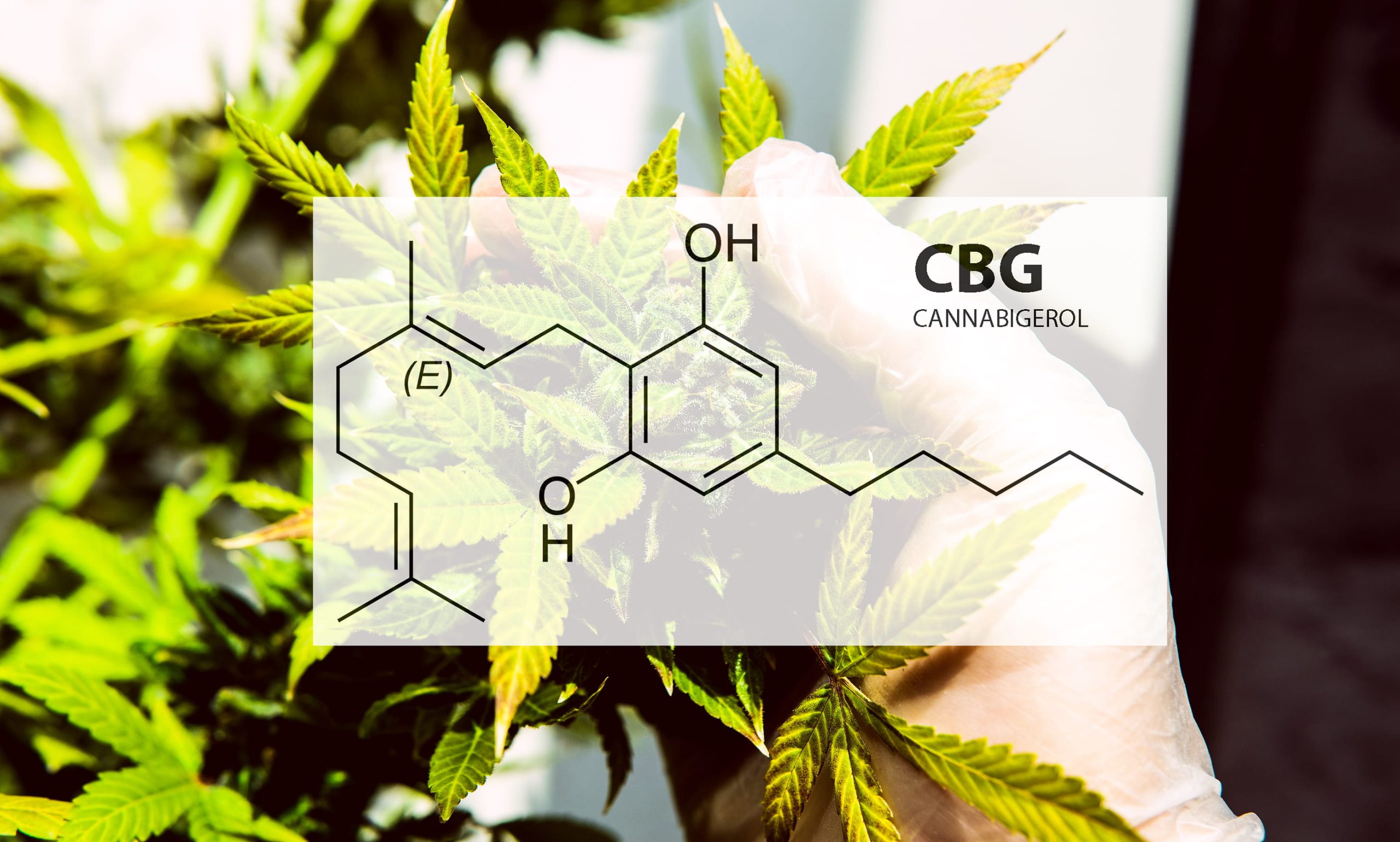
Short version: CBG (cannabigerol) is a non-intoxicating cannabinoid found in cannabis. It’s actually the parent compound, all the other cannabinoids start out as CBG before the plant converts them. As the flower matures, most of the CBG converts into THC, CBD, and CBC. That’s why mature flower usually only shows trace amounts of CBG on the label.
Want to try a CBG-forward product? Browse the Cannabis & Glass or stop into our shop and we’ll show you what’s currently in stock.
Why CBG Is Called the “Mother Cannabinoid”
Every cannabinoid in the plant starts as CBGa (the acidic form of CBG). Enzymes in the plant convert CBGa into the precursors of THC, CBD, and CBC during growth. By the time the flower is harvested, most of the original CBG content has already converted away. That’s why CBG percentages on labels are usually small (often under 1%) compared to THC or CBD. To get higher CBG content, growers either harvest the plant earlier (before conversion happens) or breed specific CBG-dominant strains.
Why is CBG more expensive than CBD? Lower yields. Plants either get harvested early (sacrificing total weight) or are CBG-dominant cultivars that are less common. Supply is smaller, so per-milligram cost is higher.
How CBG Is Different From THC and CBD
Versus THC: CBG does not produce intoxication. You won’t feel “high” from CBG alone. It interacts with cannabinoid receptors differently than THC.
Versus CBD: Both are non-intoxicating, but they engage the endocannabinoid system in different ways. People often describe CBG as feeling slightly more “clear” or “focused” compared to CBD’s typical mellow profile, but this is anecdotal and varies a lot person to person. Some products combine CBG with THC or CBD to create blends. The mix changes the experience compared to taking each compound alone.
Will CBG get me high? No. CBG is non-intoxicating on its own. Products that combine CBG with THC will still produce a THC high.
Will I fail a drug test from CBG? Pure CBG shouldn’t trigger a standard THC drug test, but most cannabis products contain at least some THC. Check the label and assume any cannabis product carries drug-test risk if you’re tested at work.
How much CBG should I try? Start small and see how you respond. Everyone’s endocannabinoid system reacts a little differently. We can recommend a starting dose at the counter.
What CBG Products Look Like in Oregon
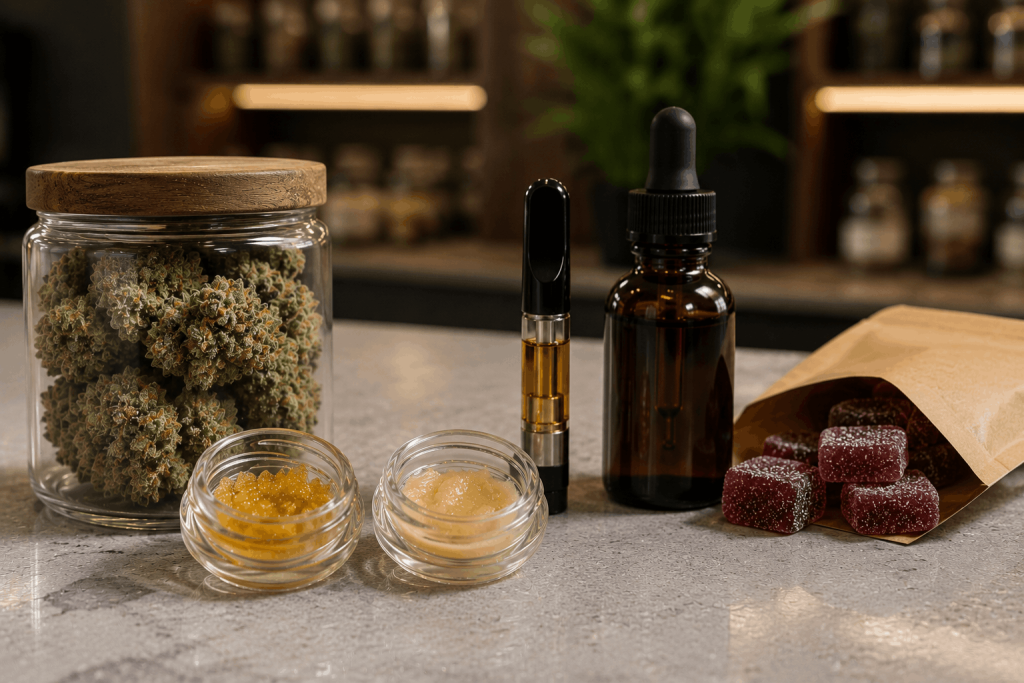
You’ll find CBG in a few formats on our menu:
- CBG-dominant flower or pre-rolls. Specific strains bred for higher CBG content.
- CBG:THC tinctures. Various ratios depending on what you’re going for.
- CBG edibles. Less common than CBD edibles but growing.
- CBG vape cartridges. Sometimes paired with terpenes or other cannabinoids.
Lab labels will show the CBG percentage. If you’re shopping specifically for CBG, look for products that highlight it on the front rather than treating it as a minor cannabinoid.
Is CBG legal in Oregon? Yes, in licensed cannabis products. Sold through OLCC-licensed retailers like Cannabis & Glass.
Stop By and We’ll Show You What’s Available
CBG product selection changes regularly. Easiest way to see what’s worth trying right now is to stop in and ask. Our budtenders will walk you through what’s on the shelf and match you with something that fits what you’re after.
Shop CBG and Other Cannabinoids at Cannabis & Glass
Cannabis & Glass is a locally owned, OLCC-licensed dispensary serving Ontario, Oregon and the surrounding region. Our budtenders are trained to walk you through cannabinoid options like CBG, CBD, and THC and help you pick a product that fits what you’re after. Check today’s Ontario menu or stop in.